When U.S. soldiers were first sent to Vietnam in 1965, American life still closely resembled the post-World War II social order.
By the time the war ended in 1975, the women’s liberation movement, the legalization of abortion and birth control, the outlawing of prayer in public schools, the rise of more militant Black empowerment movements and the gay rights movement had upended the cultural status quo.
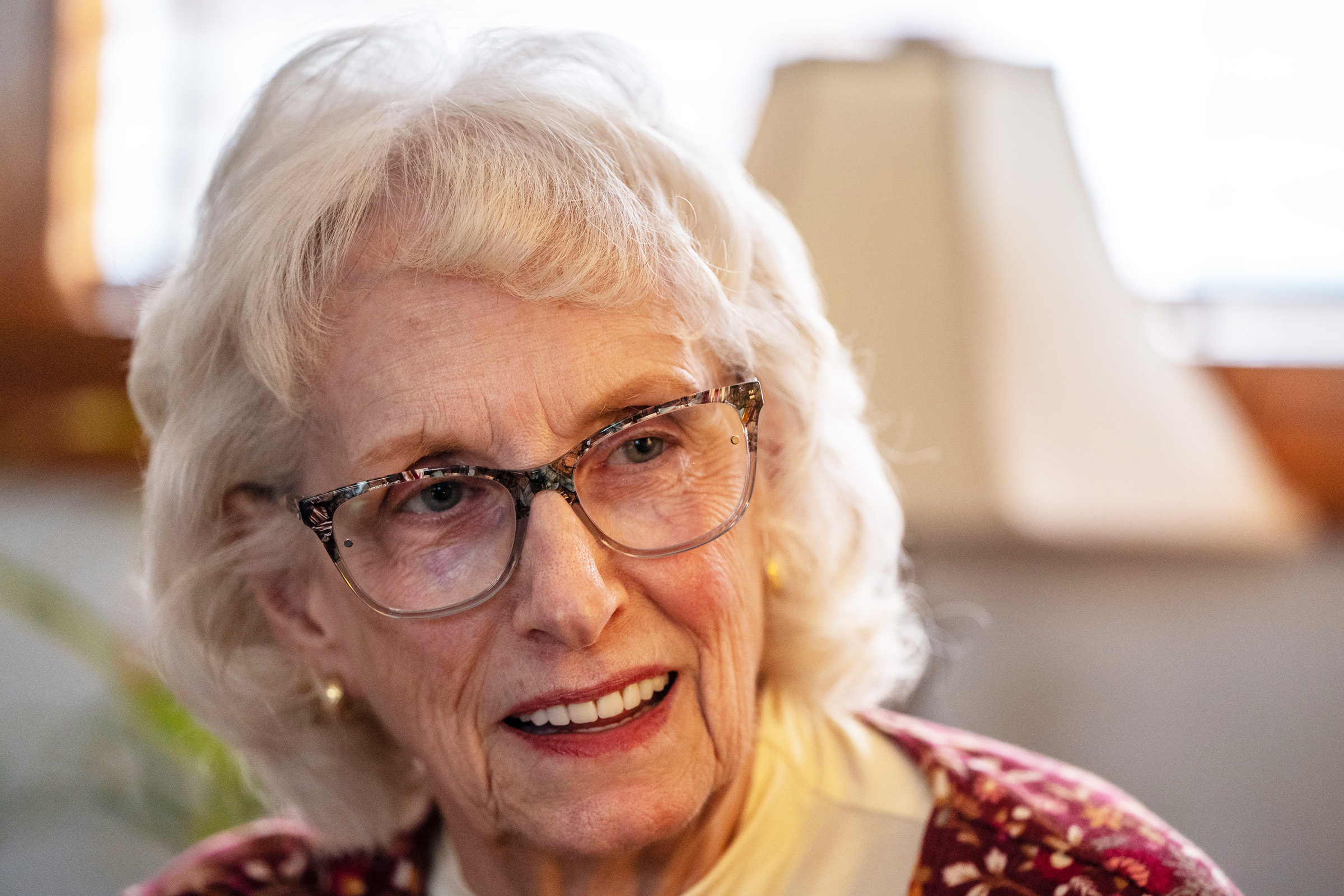
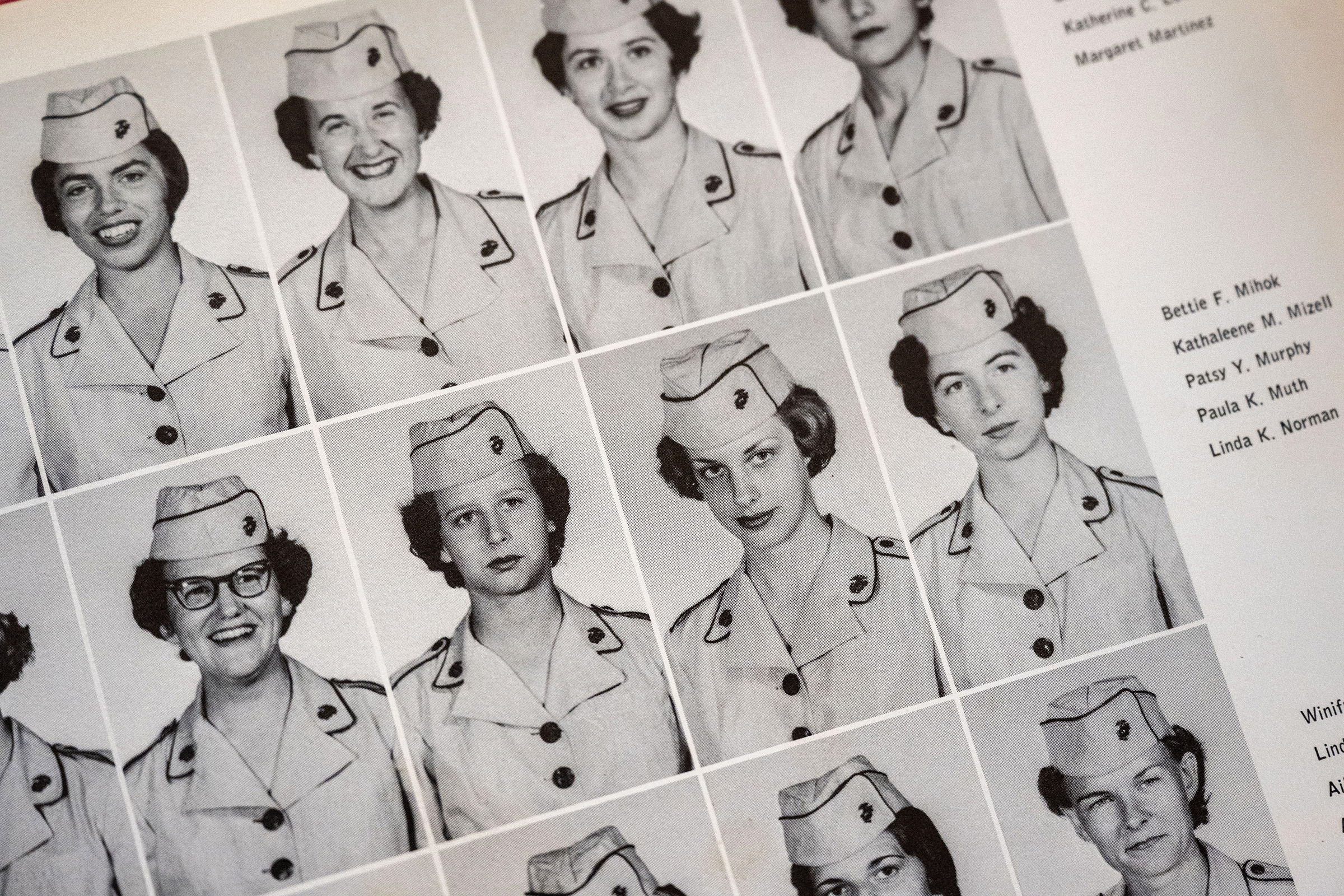
“We were very innocent, very naive,” Paula Klinkner, 82, of Brookline, who served in the Marines from 1962 to 1965, said of her girlhood in the 1950s and early 1960s. “It was such a different time.”
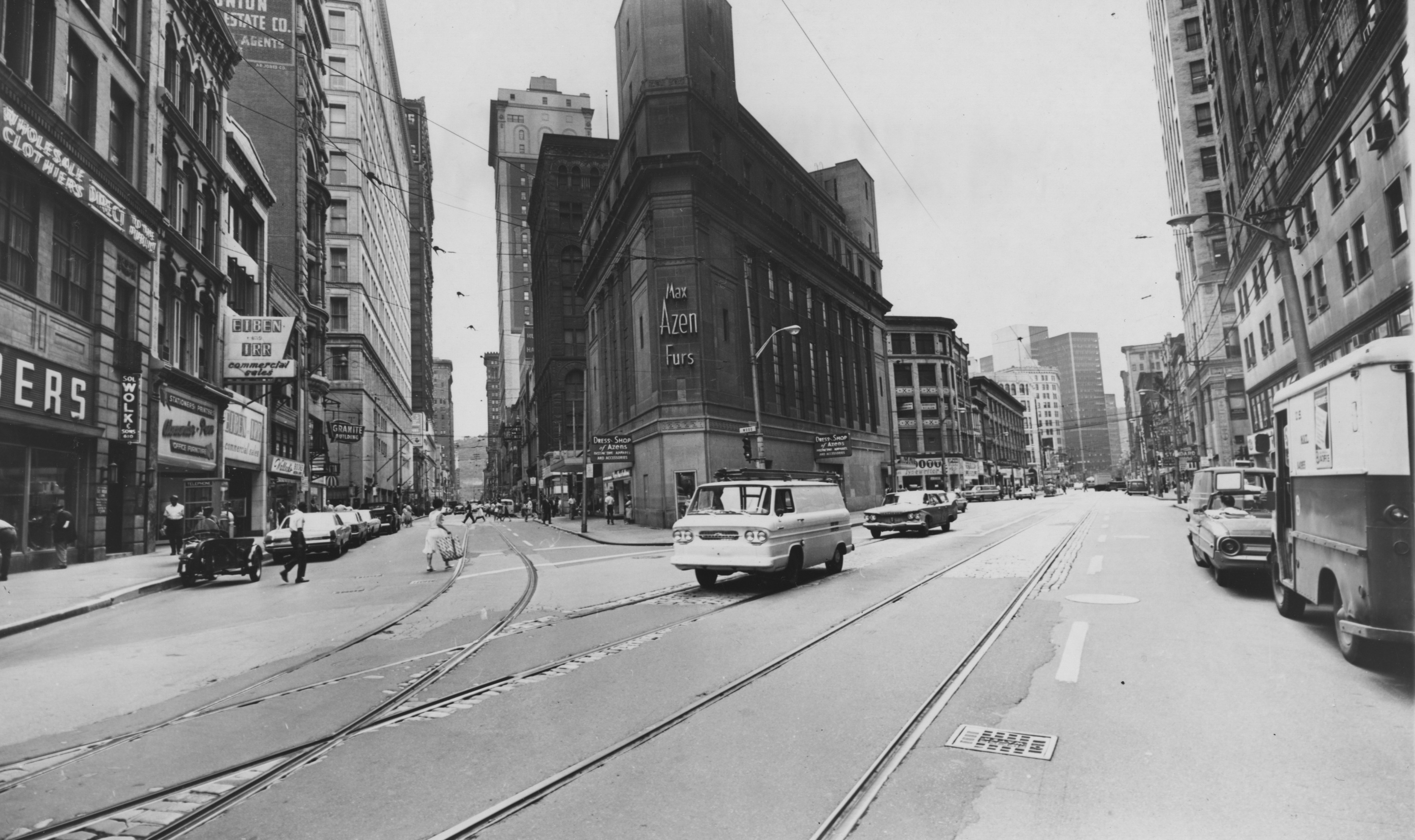
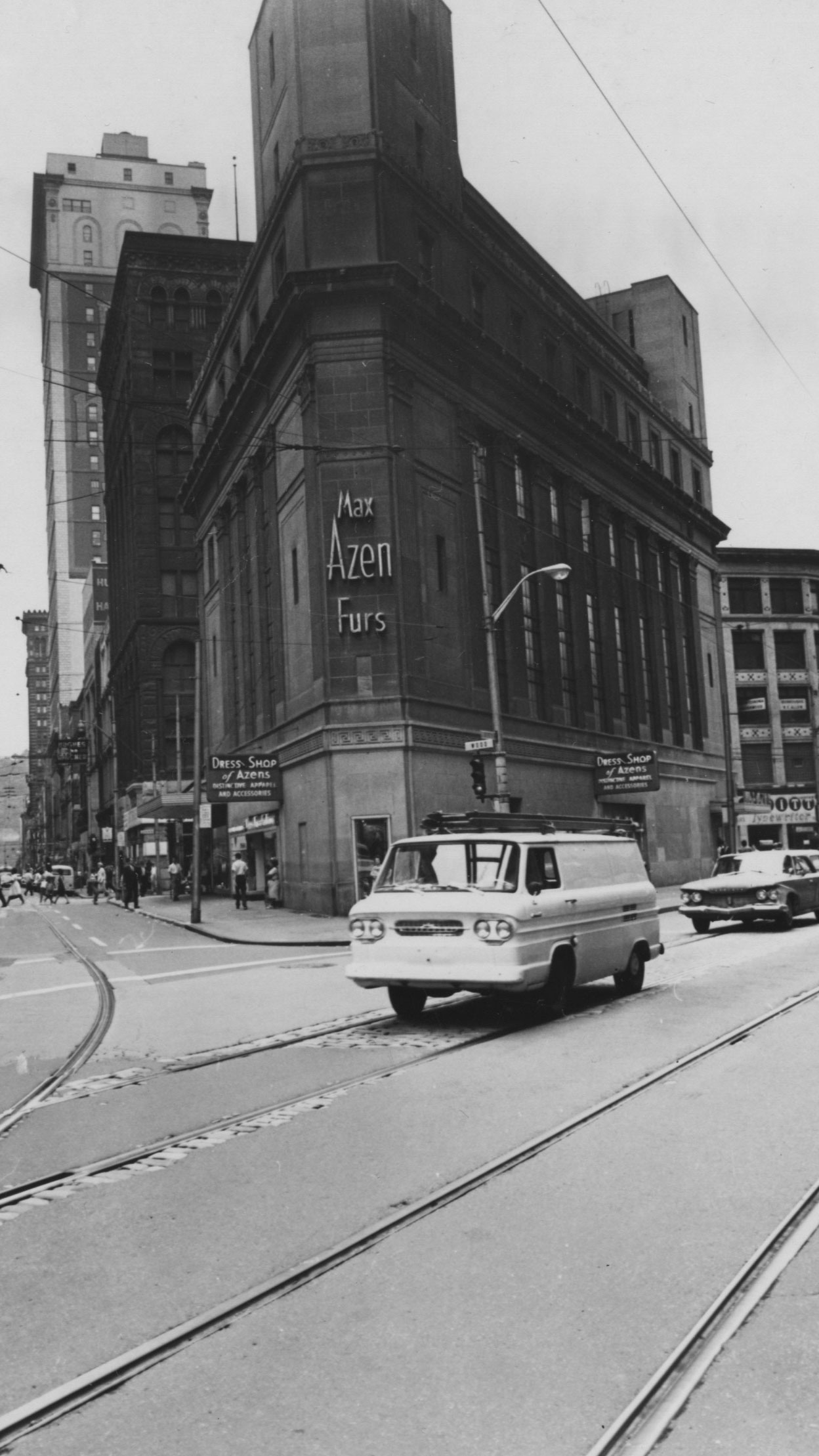
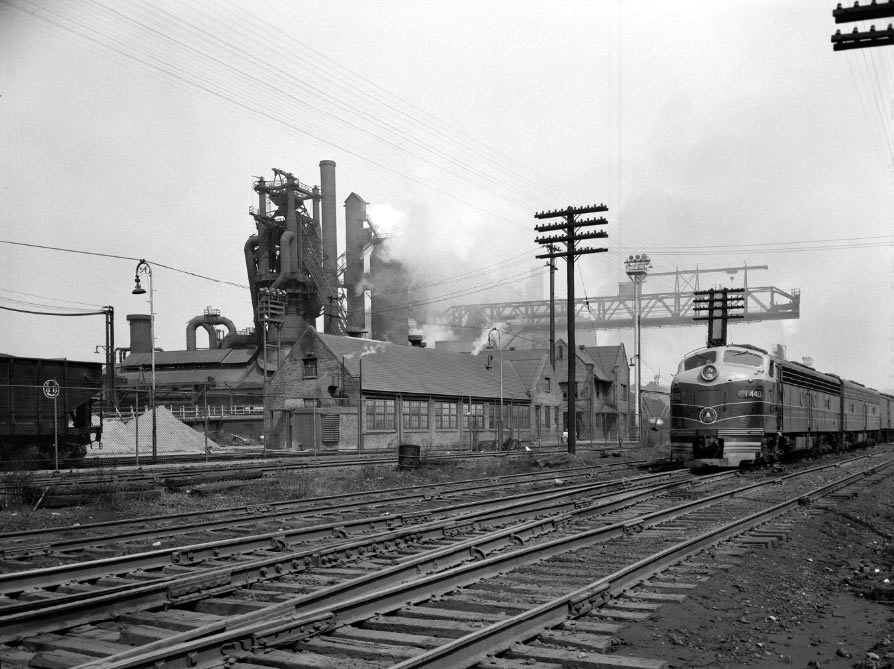
Steel mills blasted away in and around Pittsburgh in the mid-1960s. The Pittsburgh metro area had about 1.8 million people, according to PopulationStat, a little more than the roughly 1.7 million in 2025.
But the city limits teemed with 604,332 people in 1960, according to the U.S. Census Bureau, almost double last year’s city population of 307,668.
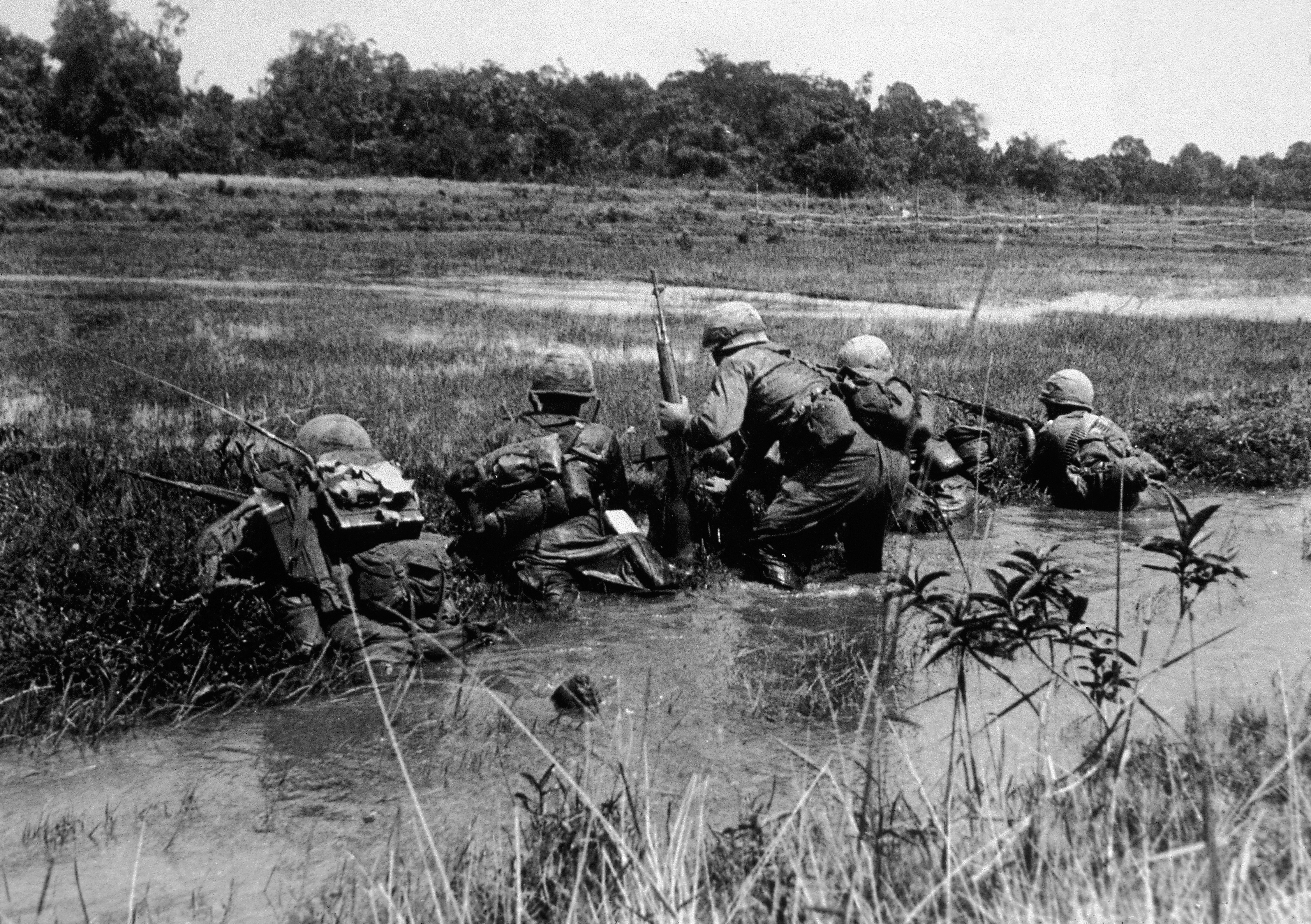
Many of the Western Pennsylvania teens who served during the Vietnam War came from families whose livelihoods revolved around steel. Ronald Colonna took millwright classes at U.S. Steel. His father and grandfather had worked for the company before him. Patrick Leach’s father was a steel mill beam walker. Donald “Donn” Nemchick’s father “humped” at the National Tube Works in McKeesport, pushing a wheelbarrow and banging impurities off steel pipe.
“[McKeesport] is hard-scrabble personified,” said Mr. Nemchick, 74, who grew up there. “We prided ourselves in patriotism. We prided ourselves that we were tough people.”
His mother bought groceries at Zoscak’s, a corner grocery — “a loaf of bread, some chipped ham and a half pound of butter.” She would sign the grocer’s book, and Mr. Nemchick’s father would settle up on payday.
Many other Pittsburgh-area veterans had fathers with blue-collar jobs, like post office truck repairman, union electrician, fireman in the H.J. Heinz can room and hospital laundry worker.
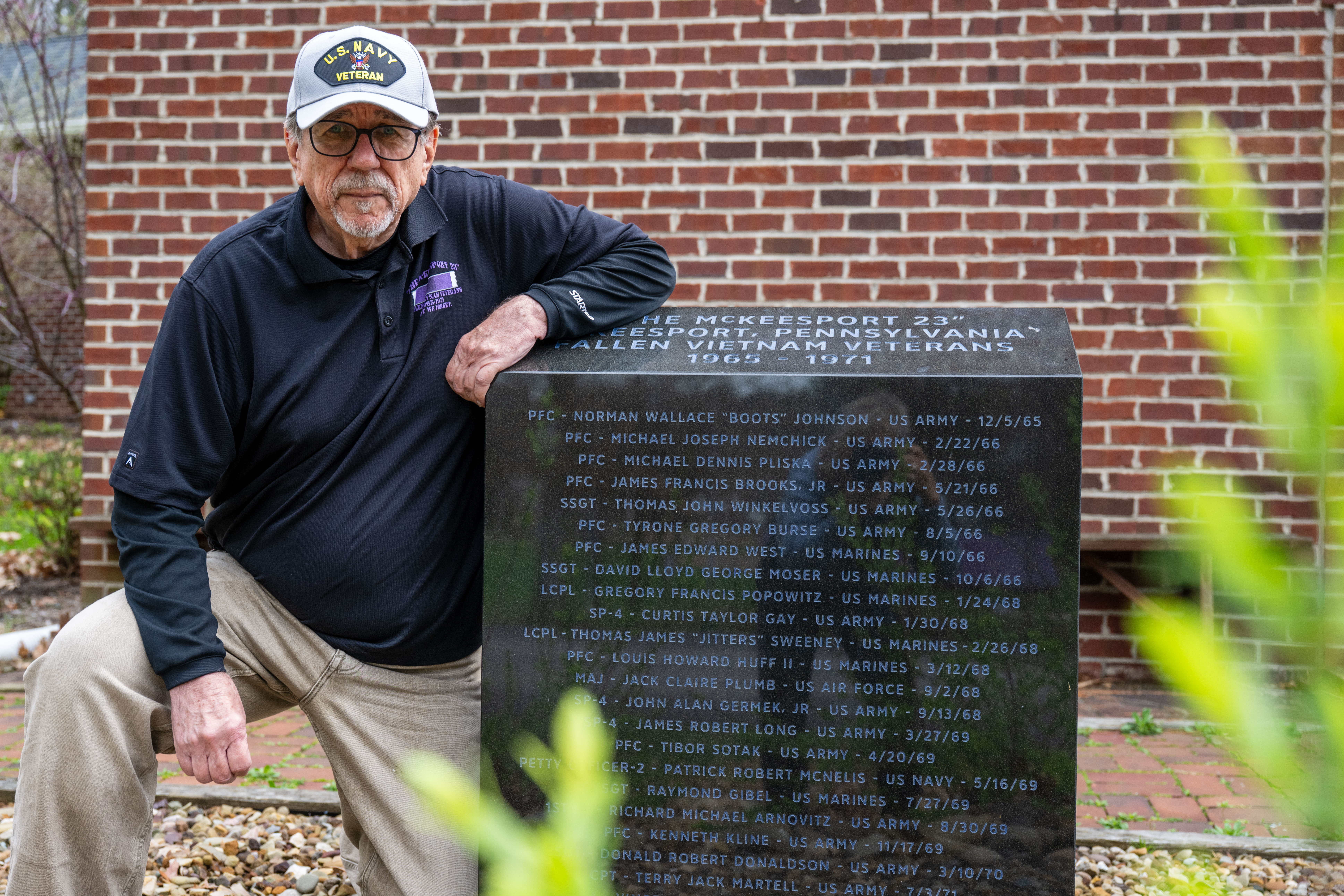
Because the contraceptive pill wasn’t available in the U.S. until the federal Food and Drug Administration approved it in 1960, sex usually led to children, and many more of them existed in the 1960s than now. According to global data and business intelligence platform Statista, the country’s median age was 29.5 in 1960 and 28.1 in 1970 compared with 39.2 in 2023. Many states outlawed contraception altogether until 1965, when the U.S. Supreme Court struck down such laws — but only for married couples. A 1972 Supreme Court case allowed contraception for unmarried people as well. Pennsylvania, Ohio and West Virginia were among 26 states that had limited contraception to married couples.
With birth control options fewer than today and with strong community disapproval of having children outside of marriage, couples tended to marry younger. The estimated median age at first marriage for men was 23.1 in 1964, 20.5 for women, according to the Census Bureau. Last year, those ages were 30.2 for men and 28.6 for women.
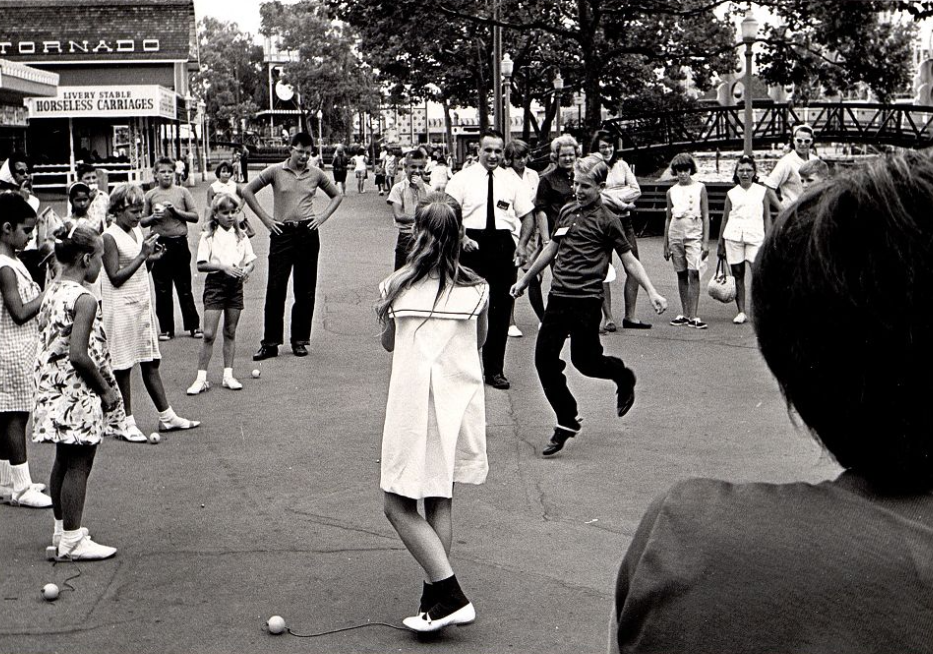
And, proportionally, more people were married. In 1965, the ratio of married-couple households to all households was 74%, according to the U.S. Census Bureau. Last year, the bureau estimated that ratio at 47%.
Families were larger, averaging 3.58 children per woman in 1960, compared with 1.78 in 2020, according to Statista. “Back then, there were tons and tons” of children, Ms. Klinkner said.
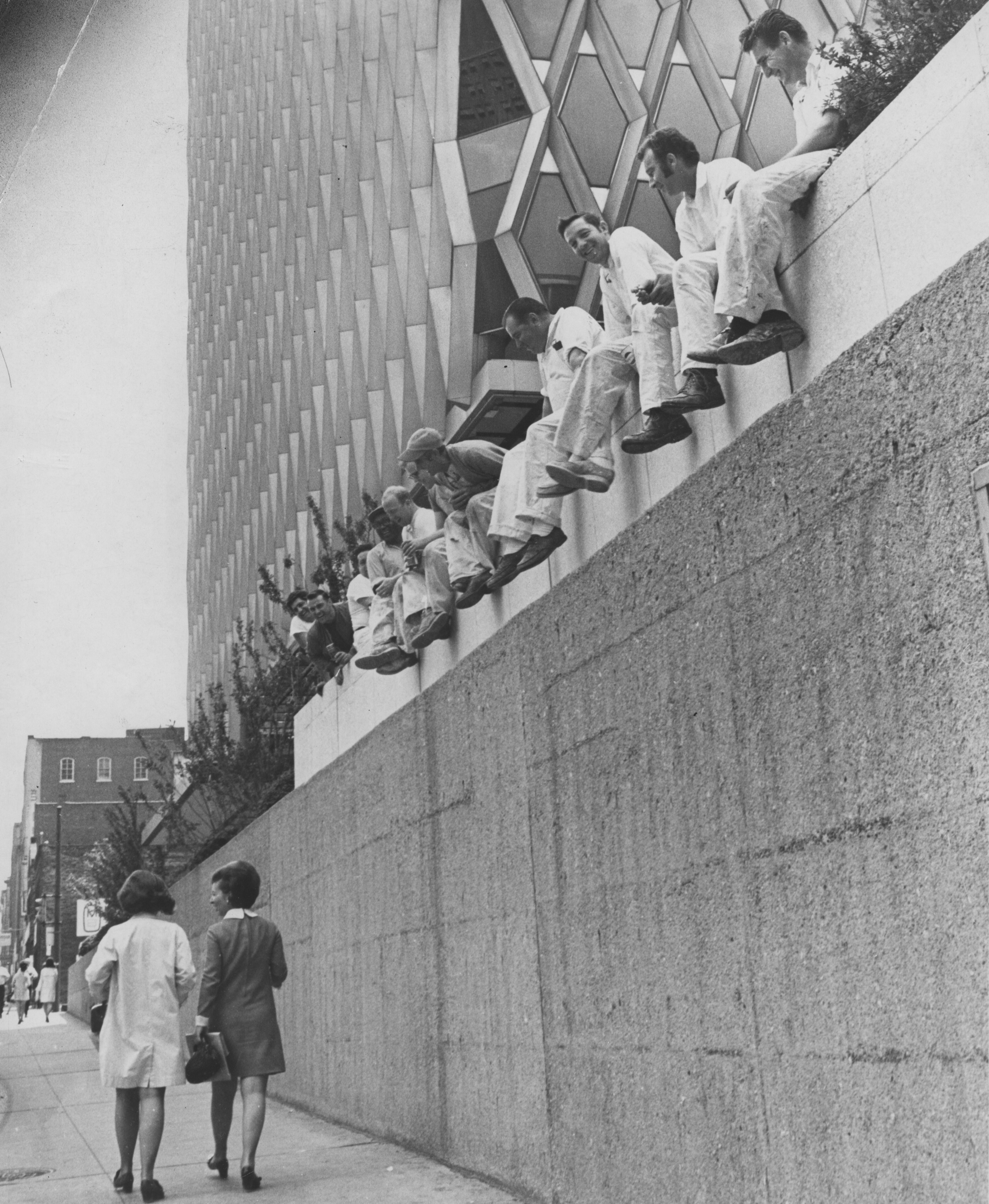
The America of 1965 had only begun to address the legal oppression of Black people. The descendants of African enslaved people faced laws and persecution that prevented them from voting or having equal rights in the American South. Racial discrimination also took place in the North, including in Pittsburgh, where Black people had to eat, lodge and watch movies separately from white people.
For Black Pittsburghers in the 1960s, the zoo, which was then free, “was the only place Black people would go for comfort,” Mr. Pope said. “Mother would bring a big picnic basket and we spent the whole day at the park.”
In Pittsburgh, as elsewhere, Black people were not usually hired for jobs like scooping ice cream, selling shoes or any job involving touching a white person’s food or any part of a white person’s body. Downtown Pittsburgh department stores didn’t start hiring more than a handful of Black people in visible positions like sales clerks until the 1960s, preferring to employ them instead as laborers or elevator operators.
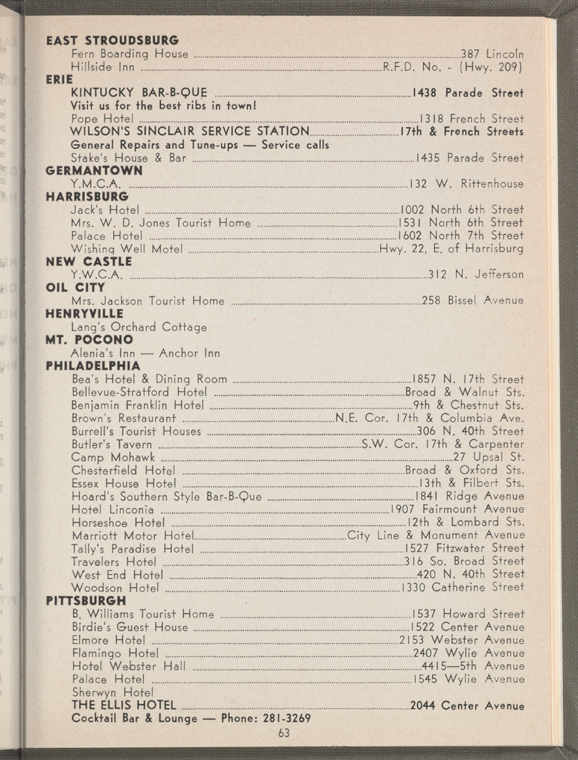
Only after the federal government passed laws in 1964 and 1965 were discriminatory voting practices, racial segregation and racial discrimination in employment made illegal — on paper, though often not in practice.
Women also faced overt discrimination. Newspapers divided employment advertisements into male and female jobs. Sometimes the advertisements specified whether the jobs were open only to white applicants. Sometimes the ads even specified that unmarried women were preferred.
In 1973 the Supreme Court outlawed sex-segregated help-wanted ads in newspapers like those in The Pittsburgh Press, which was the plaintiff in that landmark case.
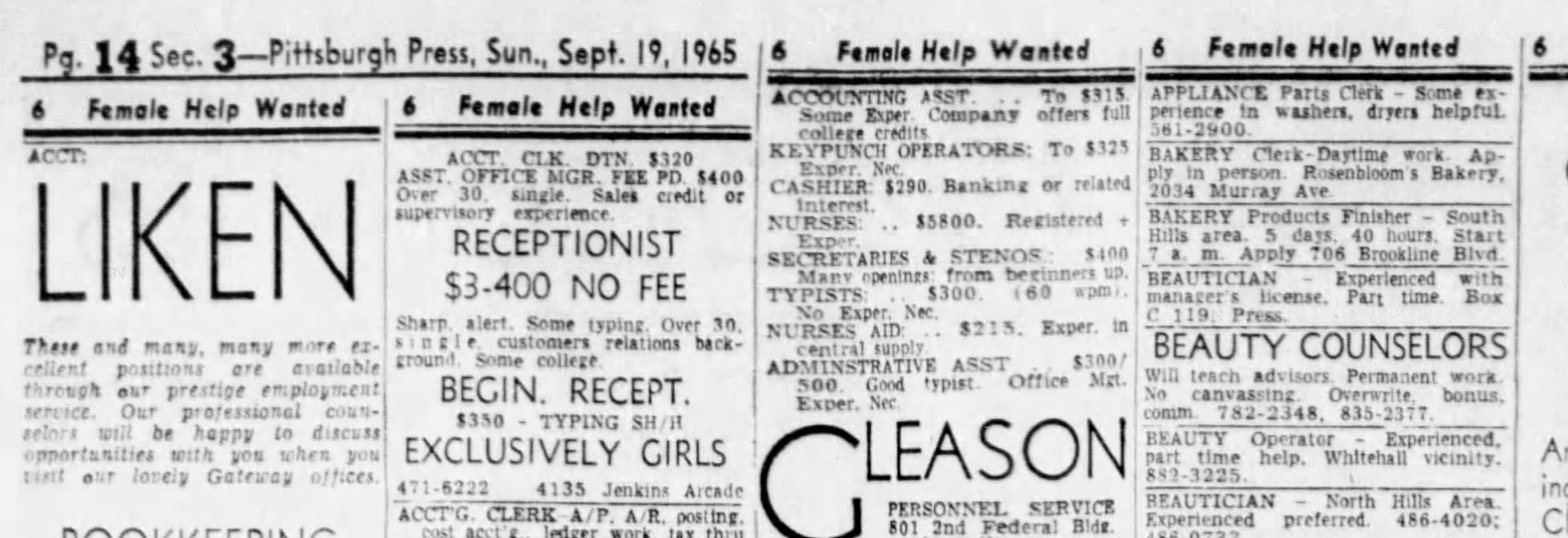
Women were discouraged from working higher-paid manual jobs. “They told me I couldn’t [become a machine operator] because I would ruin my insides because I was a girl and wouldn’t be able to have children,” Ms. Klinkner said.
Mothers tended to be housewives, but those who worked might teach in schools, like the mother of veteran Richard “Dickie” Silk, 81, of North Oakland. Wartime Red Cross volunteer Rose Gantner’s mother worked days at the family confectionery and nights cleaning at Stylette plastic factory in Oakdale. The mother of Darnell “Jeff” Pope, 85, of Plum, cleaned and cooked in white people’s homes.
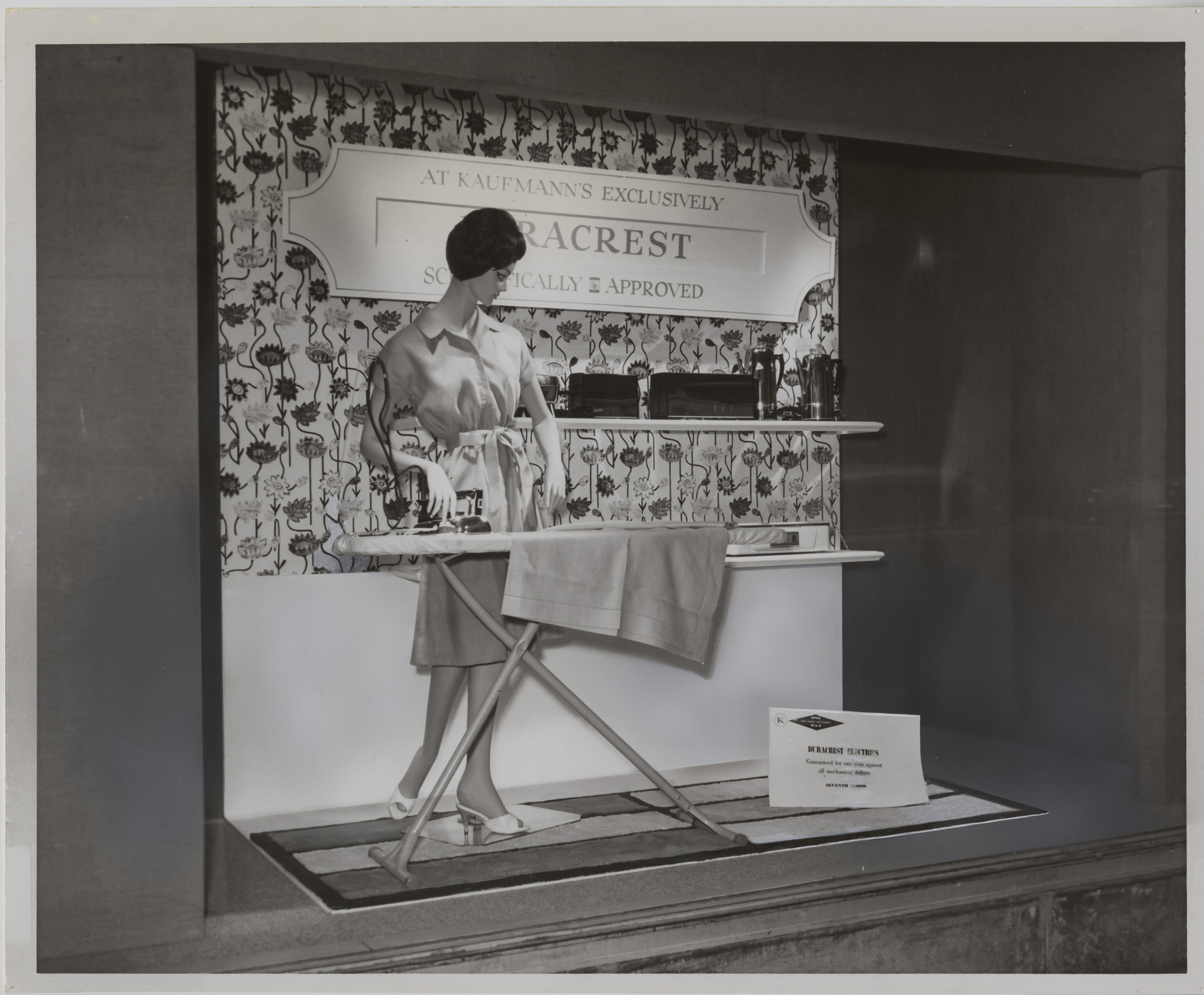
“At the time, they really believed that men were so much smarter than women,” Ms. Klinkner said. “We [women] were not real Marines. They told us from the start that we were just there to replace the men who went to war. …We were to be ladies at all times. Our [drill instructors] were not allowed to swear at us.”
They even had to wear a special shade of lipstick — Max Factor Marine Corps Red — that matched a cord on their uniform hat.
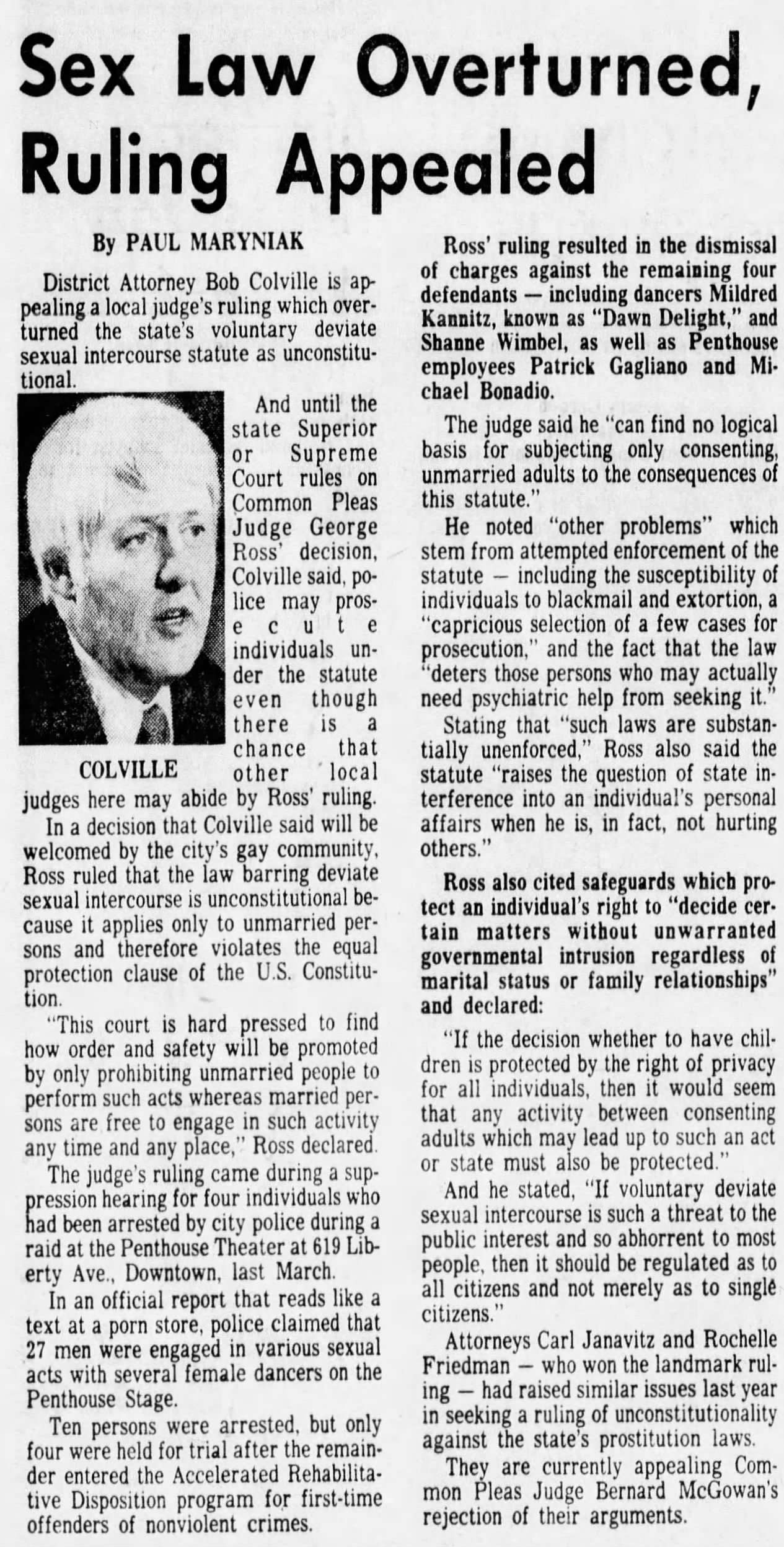
Gay sex — even anal and oral sex between consenting heterosexuals — was illegal in Pennsylvania and other states in 1965. Only in 1980 did the Pennsylvania Supreme Court find the state’s voluntary deviate sexual interactive law unconstitutional.
In 1965, first-time house buyers skewed younger. “...[B]uilders told us new home buyers of the 1950s and 1960s predominantly were first-time buyers in their early 20s with only one income,” stated a comptroller general report to Congress in 1978. Last year, the median age of new home buyers was 38, according to the National Association of Realtors.
Anyone born in 1965 could expect to live to age 64.7, according to Statista. Someone born in 2020, by comparison, can expect to live to age 78.8.
And smoking — a key risk factor in cancer, heart disease, strokes and other potentially fatal diseases — was common, with 42.4% of adults and more than half of all men smoking cigarettes or pipes in 1965, according to the American Lung Association. Ash trays were built into cars and at elevator entrances. Cigarette butts littered the streets. By 2022, the percentage of smokers had fallen to 11.6%.
College cost too much for many people.
“I had wanted to go to college, but there was no chance of that, and the nuns discouraged it” because her family couldn’t afford it, Ms. Klinkner said.
This average cost of college consumed less of the average paycheck in 1965 than college today, but college grants and loans were sparse. The government started federal student loans in 1958, but only for specific fields of study.
With fewer opportunities to pay for college, some high school graduates chose the military as their path to a better life. Once they returned from the service, they could opt to attend college with the federal government covering the cost under the G.I. Bill.
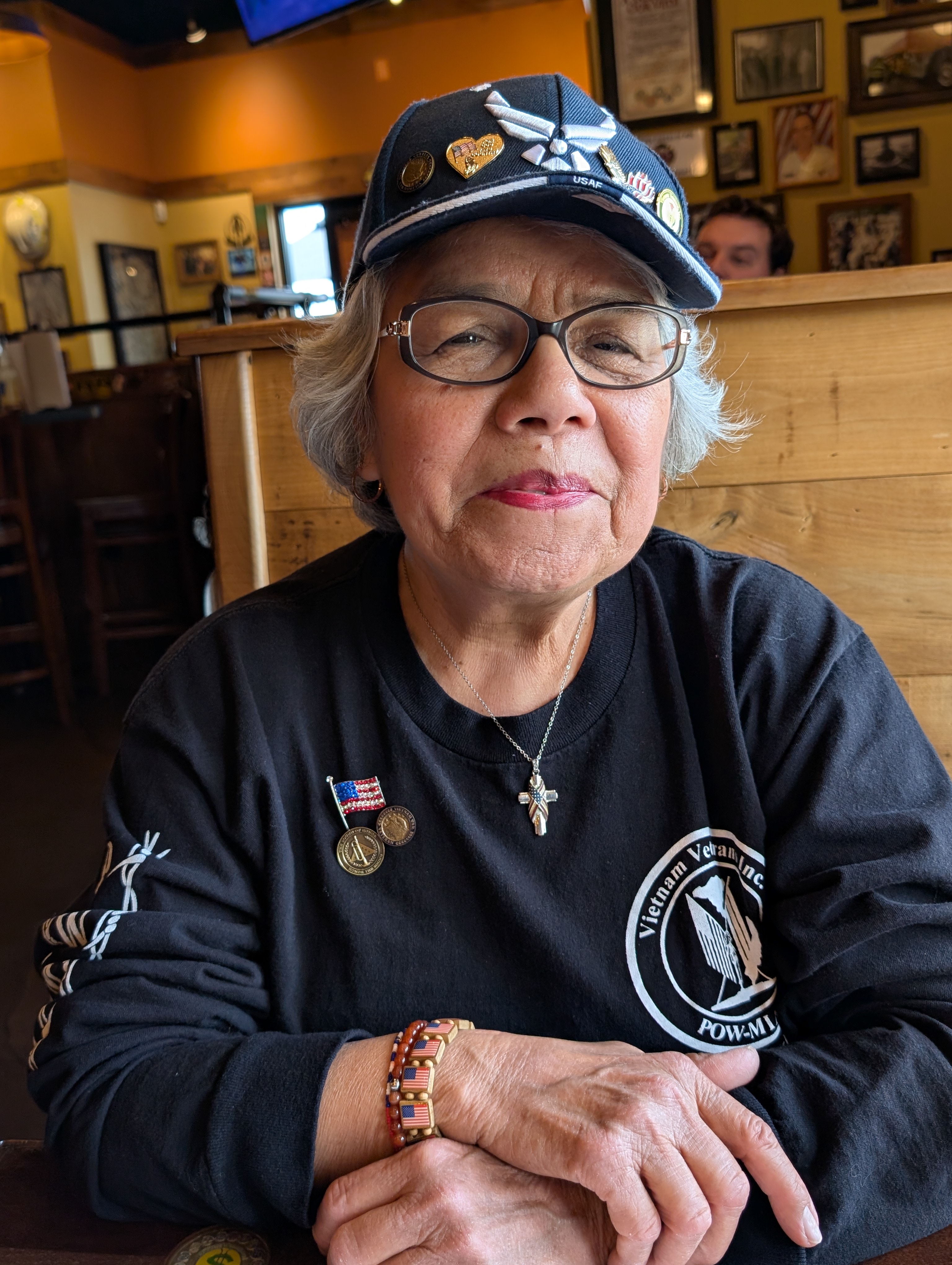
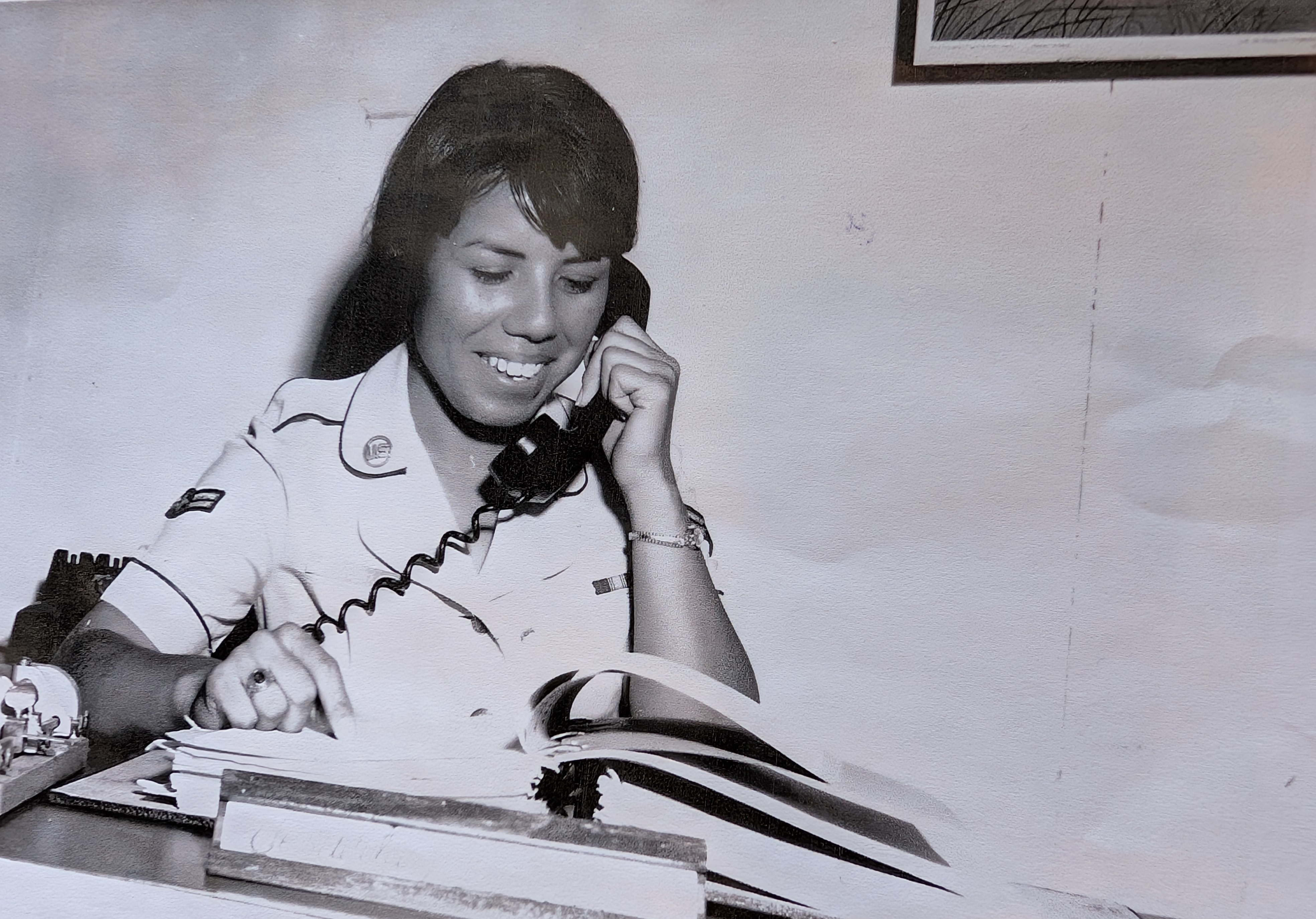
One such graduate was Jesucita “Jessie” Ferrari, 76, of Mt. Lebanon. With her father eking out a living harvesting cotton and grain on a farm he didn’t own, the family lived in a two-room house in a small Texas town. Ms. Ferrari shared a bed with two sisters. She never smiled for photos because her teeth were crooked and there was no money for braces. She wanted to go to college and travel, but there was no money.
Enlisting in the military “was the best decision I ever made. It allowed me to accomplish the goals I had in mind. I was able to go to college. It allowed me to get a job later on and move up,” she said.
She joined the Air Force and served in Thailand from 1970 to 1971 at a base where U.S. planes departed for missions in the Vietnam War. Afterward, she earned an associate degree with honors at Community College of Allegheny County and worked her way up to becoming a paralegal.
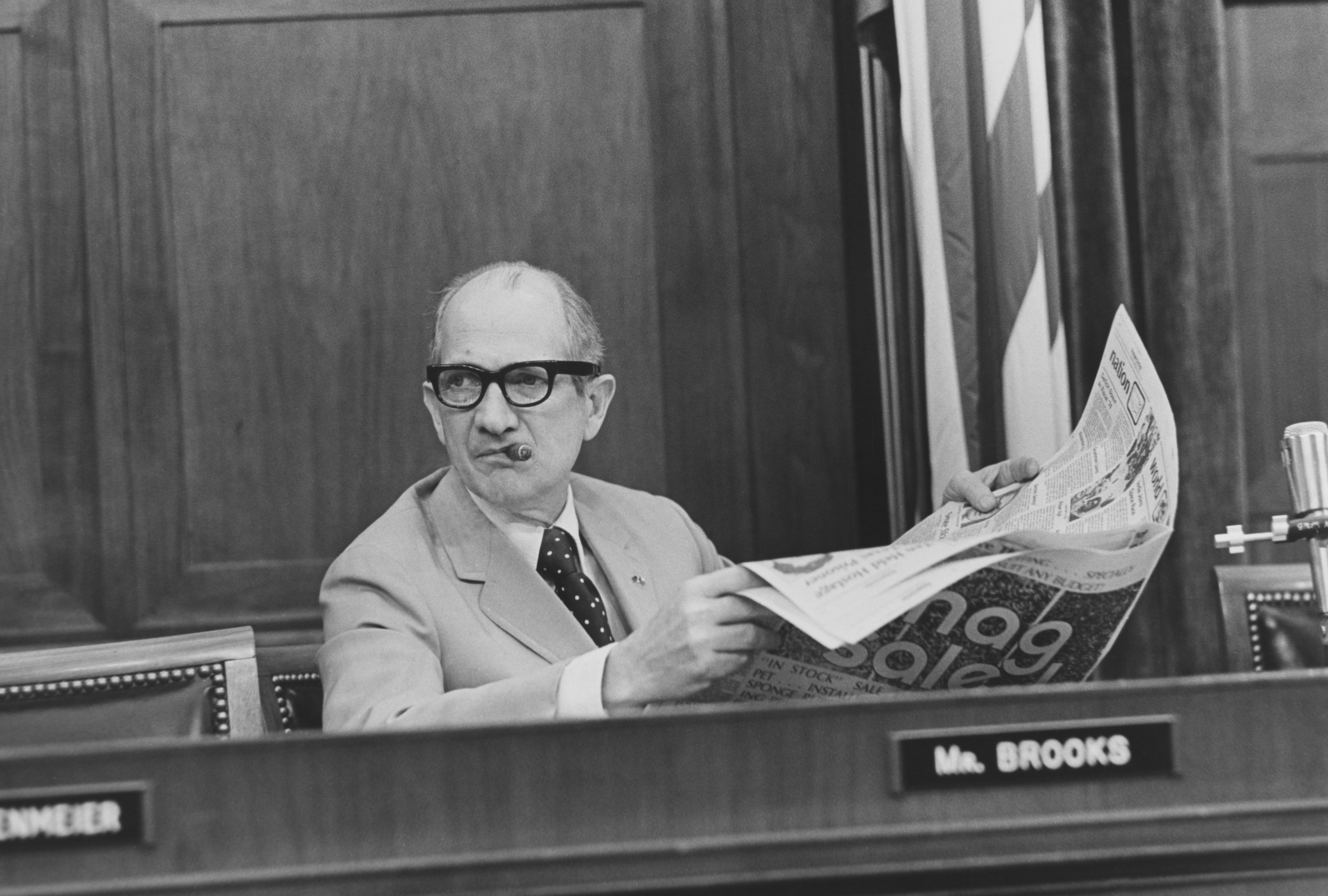
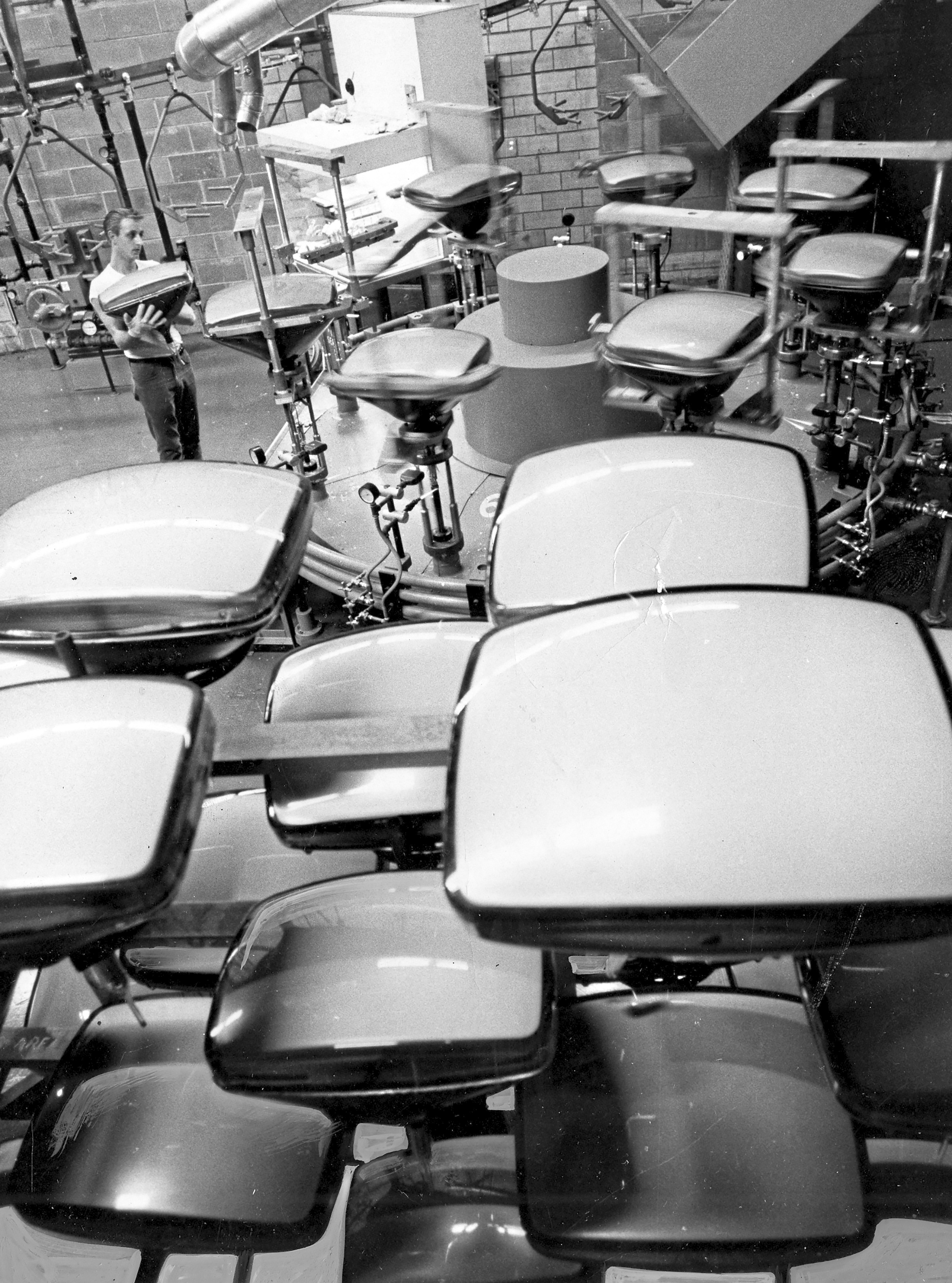
News and information in 1965 was harder to get and more restricted in what was available. There was no internet and cable television wasn’t widely available in many places. Information came from books, print publications and TV. Metro areas like Pittsburgh had three network channels (ABC, CBS and NBC), plus the government-funded PBS and a couple of weaker local channels.
Onscreen, it was largely a black and white world. Only in the 1966-1967 TV season did the three national networks begin broadcasting all of their prime time (8 to 11 p.m.) programming in color, according to “The Color Revolution: Television in the Sixties” originally published in 2005 on the website “Television Obscurities.”
Religion played a large role in more Americans’ lives. In 1965, Gallup analytics firm reported 73% of Americans were members of a house of worship, compared to 45% in 2023. Public schools conducted in-class prayer and Bible readings until a 1962 U.S. Supreme Court decision banned them.
In 1965, the Roman Catholic Church experienced a major shift, breaking with its previous teachings about other religions. For the first time, it rejected its “traditional accusation that the Jews killed Christ” and promoted “fraternal understanding” with Eastern Orthodox and Protestant Christians “instead of denouncing them as heretics,” according to the Encyclopedia Brittanica.
Nuns before 1965 told Spring Hill Catholic children “if we talked to Protestant kids, we’d go to hell,” Ms. Klinkner said.
The year 1968 brought great upheaval both here and nationwide. Riots in Black neighborhoods followed the assassination of civil rights leader Martin Luther King Jr., destroying parts of inner cities like the Hill District in Pittsburgh. The brother of assassinated President John F. Kennedy, Robert Kennedy, also was shot and killed, robbing the Democratic Party of the man who seemed likely to have been its presidential candidate. And antiwar protests reached such intensity that then-President Lyndon B. Johnson declined to run for re-election.
Two confidence-shaking incidents capped the 10-year span ending in 1975.
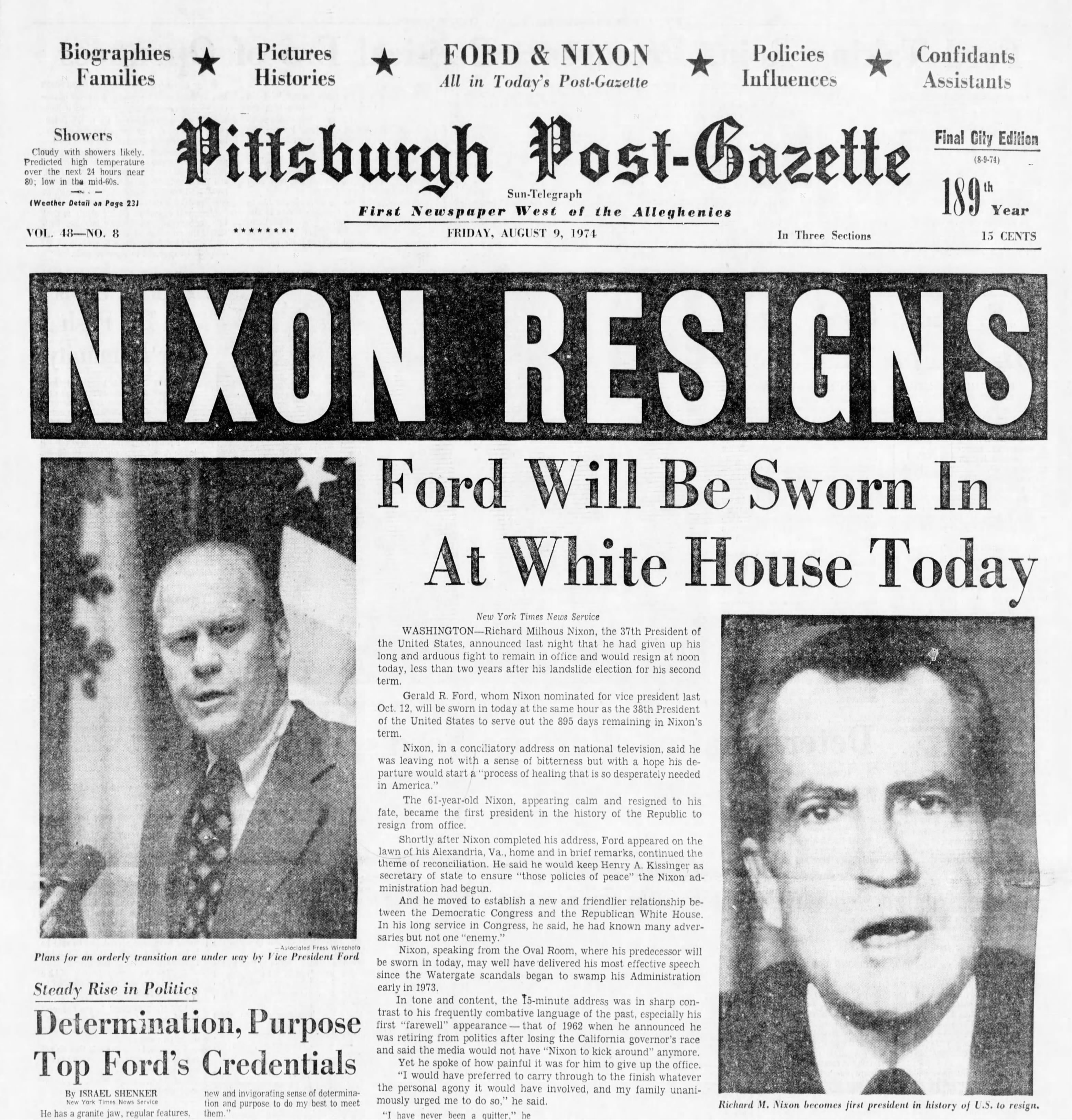
In 1972, the Watergate scandal broke, leading to revelations of illegal presidential wiretapping and spying, the presidential re-election campaign’s break-in at the opposing party’s headquarters in the Watergate Hotel, and a presidential coverup. Facing probable impeachment, Richard Nixon resigned in 1974, the only president ever to do so, leaving a trail of cynicism in his wake.
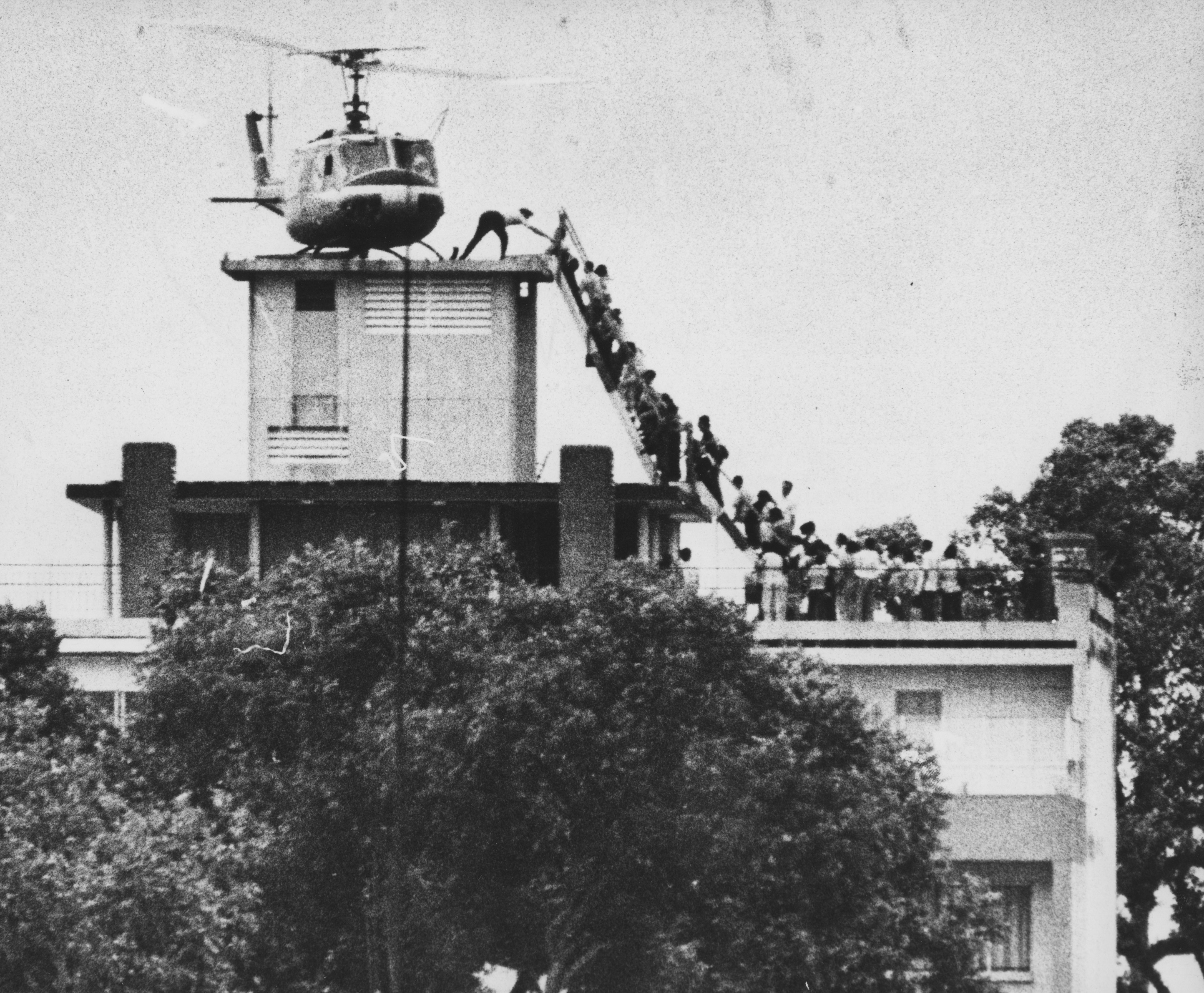
Finally, on April 30, 1975, the last bastion of the U.S. presence in Vietnam, South Vietnamese capital Saigon, fell to the North Vietnamese, ending an unpopular and divisive war in what many people saw as a humiliating defeat.
Laura Malt Schneiderman, [email protected]
Advertisement
Advertisement